
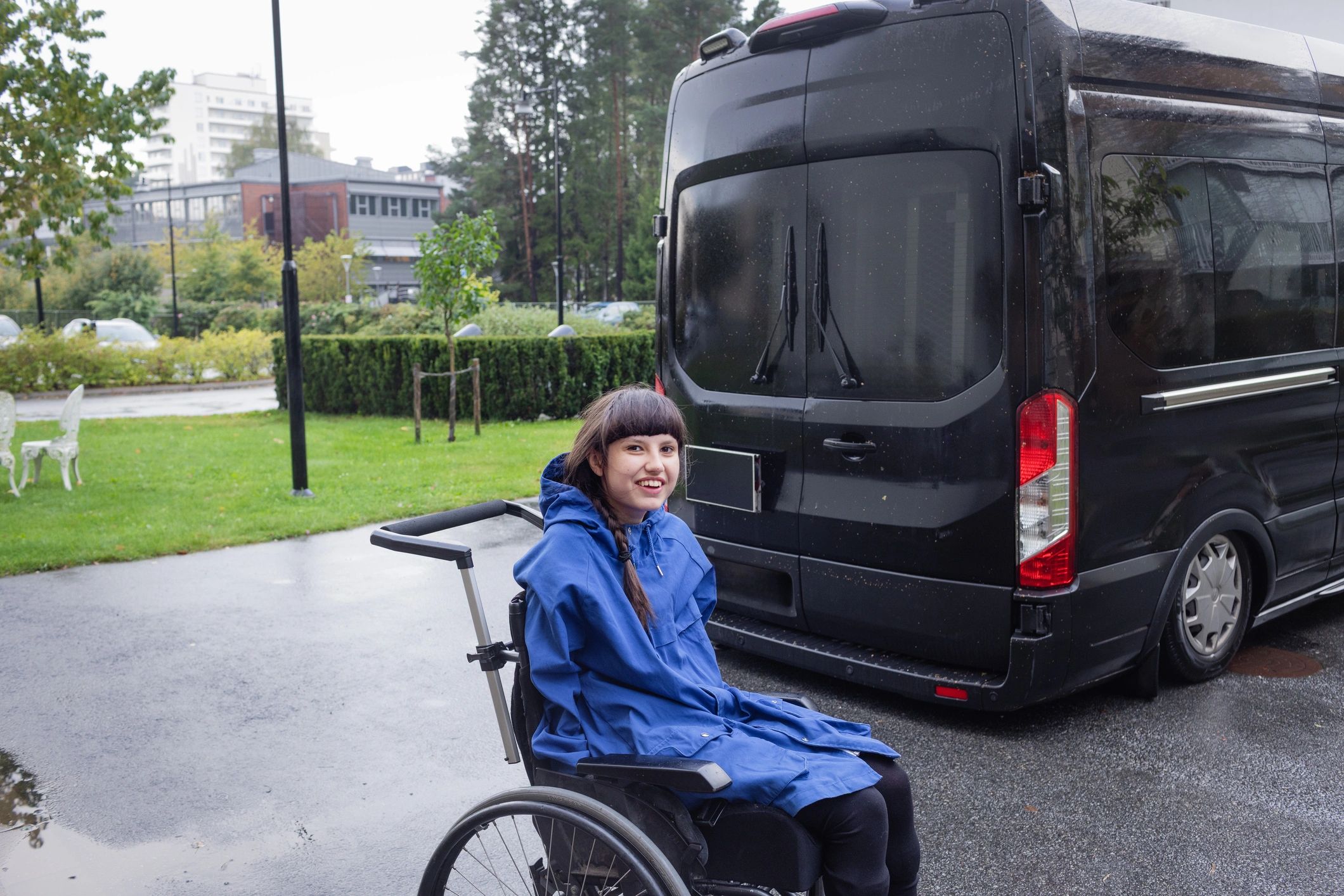
Discover the Freedom of Accessible Transportation
Wheelchair taxis offer a transformative approach to getting around, ensuring that mobility differences don’t limit daily activities. As more urban areas, including regions like Reading and Berkshire, embrace inclusive travel, these specialized vehicles bridge the gap between independence and comprehensive support.
In this guide, you’ll learn how wheelchair taxis work, why they are a preferred option for accessible transportation, and how you can make the most of these services for safe and efficient travels. Unlike traditional taxis, wheelchair-adapted vehicles are equipped with ramps, securement systems, and spacious interiors that prioritize user comfort and safety.
Key benefits include:
- Enhanced Accessibility: Custom modifications allow for easier boarding and secure seating.
- Reliable Routes: Drivers are familiar with local areas, reducing travel stress in bustling places.
- User-Centric Features: Focused on individual mobility needs, ensuring every ride is adapted to specific requirements.
This introduction sets the stage for a deeper dive into practical guidance on selecting and utilizing wheelchair taxi services. By exploring these actionable insights, you'll be better prepared to leverage accessible transport solutions tailored for enhanced mobility in your community.
Accessible Modifications That Transform Taxi Services
Navigating urban areas with a wheelchair demands a reliable taxi service that offers more than just a ride. Wheelchair-accessible taxis incorporate thoughtful modifications to ensure every journey is safe and stress-free. These vehicles are designed with accessibility in mind, featuring ramps, spacious interiors, and advanced securement systems to accommodate various mobility aids.
Key enhancements include:
- Ramps & Lifts: Easily deployable ramps or hydraulic lifts that provide smooth boarding for wheelchairs.
- Spacious Interiors: Extra room for maneuvering and securing mobility devices, ensuring both comfort and safety.
- Securement Solutions: Specialized belts and docking systems that stabilize wheelchairs during transit.
- Driver Training: Technicians and drivers receive specialized training in handling accessibility equipment and assisting passengers with diverse needs.
For residents and visitors in regions like Reading and Berkshire, these modifications not only optimize travel efficiency but also ensure a dignified travel experience. By combining industry-standard safety protocols with improved vehicle design, accessible taxis serve as the cornerstone of inclusive transportation. This how-to guide emphasizes practical features, helping you make informed decisions when choosing a service that meets your specific mobility requirements.
Unlocking Independence: The Power of Accessible Taxis
Wheelchair-accessible taxis empower individuals with mobility challenges by offering a travel solution that emphasizes safety, comfort, and independence. Adopting these specialized taxi services means enjoying a smoother, stress-free journey regardless of local travel demands. These vehicles are designed with thoughtful modifications such as ramps, secure seating, and extra space for mobility aids, making every trip a balanced blend of reliability and ease.
Key benefits include:
- Enhanced Accessibility: Ramps and spacious interiors allow for effortless boarding and secure seating.
- Safety Features: Built-in securement systems ensure that mobility devices and personal belongings remain safe during transit.
- Improved Reliability: Trained drivers understand the unique needs of riders, offering a consistent and timely service in busy urban areas like Reading and across regions in Berkshire.
- Tailored Comfort: Adapted interiors reduce travel stress and provide a calming environment, contributing to a positive travel experience.
For those keen to optimize their daily commute or require dependable airport transfers, these taxis provide a practical solution. By choosing choices that prioritize accessibility and tailored support, individuals can confidently navigate their localities while maintaining independence and comfort every step of the way.
Step-by-Step Guide to Booking a Wheelchair Taxi
Securing a wheelchair taxi is easier than you might think when you follow these systematic steps. This guide breaks down the process to help you book efficiently, ensuring your transportation meets all accessibility and safety requirements.
- Identify Your Needs: Start by assessing your mobility requirements. Decide if you need extra space for mobility aids or a taxi with specific accessibility modifications.
- Explore Local Services: Focus on providers in your area, such as those serving Reading and Berkshire, to ensure a swift response and familiarity with local routes.
- Confirm Vehicle Features: Ask about the vehicle’s equipment, such as securement systems and ramps, to ensure it fully accommodates your wheelchair.
- Check Driver Training: Make sure the service employs drivers trained to handle accessibility challenges and sensitive customer needs.
- Plan Your Timing: Schedule your ride in advance, allowing a buffer for peak travel times and potential detours.
- Finalize Payment and Safety Details: Verify booking fees, payment procedures, and safety protocols before confirming your taxi.
By following these steps, you ensure a smooth booking experience that prioritizes your comfort, security, and timely arrival.
Frequently Asked Questions about Wheelchair Taxi Services
What accessibility features do these taxis offer?
Wheelchair taxis are designed with ramps, secure tie-down systems, and spacious interiors to accommodate various mobility devices. These modifications ensure a comfortable, hassle-free experience for all passengers.
How do they ensure passenger safety?
Safety is a top priority. Taxis undergo regular maintenance checks and are equipped with features such as anti-slip floors and secure seating options. Drivers are trained in emergency protocols and safe maneuvering of mobility aids.
Are drivers specially trained?
Yes, drivers receive specialized training to assist passengers with mobility requirements. They learn proper techniques for assisting with wheelchair entry and ensure that safety measures are strictly followed throughout the journey.
How do I request a wheelchair taxi?
Booking is straightforward, using either an online platform or a dedicated phone service. Confirm your specific needs during booking to ensure the vehicle and driver are prepared for your journey.
What service areas are covered?
Services typically cover major urban areas and extend to local regions such as Reading and Berkshire, ensuring that essential transport is accessible even in suburban or rural settings.
How can I prepare for my ride?
Pack any personal mobility aids, verify your booking details, and communicate any additional needs to the dispatcher for a smooth experience.
Empowering Urban Mobility: The Future of Accessible Transportation
Accessible transportation is essential in shaping urban environments that cater to everyone’s needs. By embracing solutions that incorporate wheelchair-accessible vehicles and adaptive features, cities like Reading and Berkshire are setting the stage for truly inclusive mobility. This conclusion highlights the importance of designing transport systems that go beyond convenience, focusing instead on safety, reliability, and local community engagement.
Key takeaways include:
- Enhanced Safety: Vehicles must be equipped with advanced adaptive features and rigorous safety protocols.
- Consistent Scheduling: Reliable, punctual services reduce stress and foster trust among users.
- Local Expertise: Understanding local traffic, school routes, and regional challenges leads to better service outcomes.
Actionable steps for readers:
- Assess local transport options to ensure they meet accessibility standards.
- Engage with service providers to discuss necessary adjustments and improvements.
- Advocate for infrastructure enhancements that support inclusive mobility.
By applying these insights, you can contribute to a more equitable transport system. Embrace the journey towards a connected and accessible urban future, knowing that every step forward creates lasting positive change.